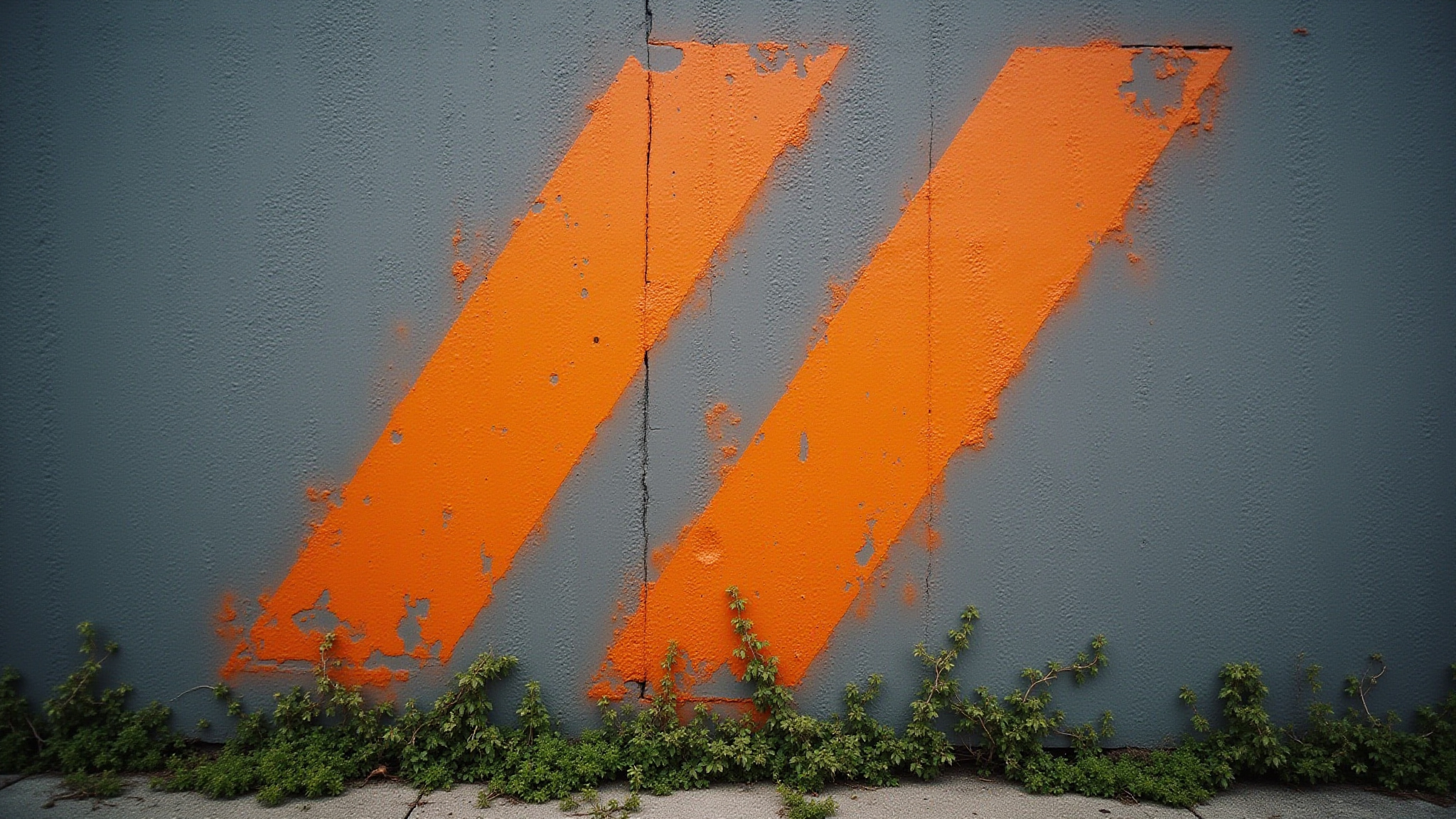
Art Photography: Transforming Vision Into Visuals

Art photography is more than just capturing images; it is about expressing emotions, ideas, and stories through the lens. This form of photography allows artists to transform their unique visions into compelling visuals that resonate with viewers. In this blog post, we will explore the essence of art photography, its techniques, and how it can be a powerful medium for self-expression.

Understanding Art Photography
Art photography is distinct from other forms of photography, such as commercial or documentary photography. While commercial photography aims to sell a product or service, and documentary photography seeks to tell a factual story, art photography focuses on the artist's vision and interpretation of the world. This genre emphasizes creativity, aesthetics, and emotional impact.
The Purpose of Art Photography
The primary purpose of art photography is to evoke feelings and provoke thought. Artists use their cameras to explore themes such as identity, culture, and the human experience. By doing so, they invite viewers to engage with their work on a deeper level. Here are some key purposes of art photography:
Self-Expression: Photographers often use their work to express personal experiences, beliefs, and emotions.
Storytelling: Each photograph can tell a story, capturing a moment in time that resonates with the viewer.
Exploration of Concepts: Artists can explore abstract concepts, such as time, memory, and perception, through their imagery.
Techniques in Art Photography
To create impactful art photographs, artists employ various techniques that enhance their vision. Here are some essential techniques used in art photography:
Composition
Composition is the arrangement of elements within a photograph. A well-composed image draws the viewer's eye and creates a sense of balance. Key compositional techniques include:
Rule of Thirds: Dividing the frame into a grid of nine equal parts and placing the subject along the lines or intersections.
Leading Lines: Using natural lines in the scene to guide the viewer's eye toward the subject.
Framing: Using elements within the scene to frame the subject, adding depth and context.
Lighting
Lighting plays a crucial role in setting the mood and tone of a photograph. Different lighting conditions can evoke various emotions. Here are some lighting techniques:
Natural Light: Utilizing sunlight to create soft, natural images. The golden hour, shortly after sunrise or before sunset, is particularly favored for its warm tones.
Artificial Light: Using studio lights or flash to control the lighting environment, allowing for creative effects.
Silhouettes: Capturing subjects against a bright background to create dramatic silhouettes.
Color and Texture
Color and texture can significantly impact the emotional response to a photograph. Artists often use color theory to evoke specific feelings:
Color Palettes: Choosing complementary or contrasting colors to create visual interest.
Textures: Highlighting textures in the subject or background to add depth and dimension.
The Role of Conceptualization in Art Photography
Before capturing an image, photographers often conceptualize their ideas. This process involves brainstorming themes, subjects, and messages they want to convey. Here are steps to effective conceptualization:
Brainstorming Ideas
Photographers can start by jotting down ideas, themes, or emotions they wish to explore. This can be done through:
Mind Mapping: Creating a visual representation of ideas and how they connect.
Mood Boards: Collecting images, colors, and textures that inspire the desired aesthetic.
Research and Inspiration
Researching other artists and styles can provide inspiration and help refine the photographer's vision. This can include:
Studying Art Movements: Understanding different art movements, such as Surrealism or Minimalism, can influence a photographer's style.
Exploring Nature and Surroundings: Observing the environment can spark ideas for subjects and compositions.
The Impact of Art Photography on Society
Art photography has the power to influence society and provoke change. Through their work, photographers can address social issues, challenge norms, and inspire action. Here are some ways art photography impacts society:
Raising Awareness
Photographers often use their art to highlight social issues, such as climate change, inequality, and human rights. By capturing powerful images, they can raise awareness and encourage dialogue.
Challenging Perceptions
Art photography can challenge societal norms and perceptions. By presenting alternative viewpoints, photographers can encourage viewers to rethink their beliefs and assumptions.
Inspiring Change
Through their work, photographers can inspire individuals and communities to take action. Powerful imagery can motivate people to engage with social causes and advocate for change.
Building a Portfolio in Art Photography
For aspiring art photographers, building a strong portfolio is essential. A portfolio showcases an artist's style, vision, and technical skills. Here are steps to create an impactful portfolio:
Selecting Your Best Work
Choose a diverse range of images that represent your style and vision. Aim for quality over quantity. Consider including:
Signature Pieces: Images that define your artistic voice.
Variety: A mix of subjects, styles, and techniques to demonstrate versatility.
Organizing Your Portfolio
Organize your portfolio in a way that tells a story. Consider grouping images by theme, style, or technique. This helps viewers understand your artistic journey.
Presenting Your Work
Consider how you will present your portfolio. Options include:
Online Portfolio: Creating a website or using platforms like Behance or Instagram to showcase your work.
Physical Portfolio: Compiling a printed portfolio for in-person presentations or exhibitions.
The Future of Art Photography
As technology continues to evolve, so does the field of art photography. Emerging trends and tools are shaping the future of this art form. Here are some trends to watch:
Digital Manipulation
Digital manipulation allows photographers to alter images in creative ways. This can include:
Photo Editing Software: Tools like Adobe Photoshop and Lightroom enable artists to enhance their images and create surreal effects.
Mixed Media: Combining photography with other art forms, such as painting or digital art, to create unique pieces.
Virtual Reality and 360-Degree Photography
Virtual reality (VR) and 360-degree photography are changing how viewers experience art. These technologies allow for immersive experiences that engage the audience in new ways.
Sustainability in Photography
As awareness of environmental issues grows, many photographers are adopting sustainable practices. This includes:
Eco-Friendly Materials: Using sustainable printing methods and materials.
Promoting Conservation: Creating work that highlights the beauty of nature and the importance of conservation efforts.
Conclusion
Art photography is a powerful medium that allows artists to transform their visions into stunning visuals. By understanding the techniques, conceptualization processes, and societal impacts of art photography, photographers can create work that resonates with viewers and inspires change. As technology continues to evolve, the future of art photography holds exciting possibilities for creativity and expression.
Whether you are an aspiring photographer or an art enthusiast, embracing the world of art photography can lead to profound experiences and connections. Start exploring your vision today, and let your creativity shine through your lens.


Comments